After 15 years of running Creative South, a design conference that grew from 45 attendees to over 1,000, we knew event platforms better than most. We had worked around their limitations, absorbed their fees, and watched their policies create real financial stress for our team. Eventually, we decided to stop working around the problems and build something that solved them.
The frustrations that pushed us to act
Most of our pain came from four areas.
The first was cash flow. Eventbrite withheld 20% of ticket revenue until after the event, regardless of our refund policy. After our April conference, we were still waiting on roughly $30,000 to $60,000 in payouts as late as July or August. For a small event that relies on ticket sales to fund operations and pay vendors on time, that kind of delay creates serious problems.
The second was fees. Platform costs added up for us as organizers and for attendees purchasing tickets, and the product did not justify the price.
The third was tax-exempt handling. Tax-exempt organizations would purchase tickets and then call us afterward to request a refund. That meant manual processing and extra administrative work on our end for something that should have been automatic.
The fourth was the attendee experience. General admission tickets and workshop registration lived on separate sites, with no clear guidance on what attendees needed to buy. Conversion rates suffered, and the experience was unnecessarily confusing.
Why we decided to build rather than wait
The idea of building our own platform came up more than once, but the timing was not right until we had the right team in place. When we revisited it, the decision was straightforward. We already build digital products for clients. We had years of experience using competitor platforms as organizers. We knew exactly what needed to exist. We just needed to build it.
We knew exactly what needed to exist. We just needed to build it.
We also ran the numbers. Competitor fees were high enough that even signing up a small number of conferences in our immediate network could put us in the black from the start. Low financial risk, clear demand, and a real use case in Creative South made it an easy call.
From day one, we treated Eventrise like a client engagement: brand meetings, strategy sessions, a full discovery process, and dedicated engineering resources. This was not a side project we would get to when client work slowed down. We also brought in external event organizers throughout the research process to make sure we were solving the right problems.
What we built and how it solves the core problems
Faster payouts. Funds now arrive within one to one and a half days. Organizers can pay vendors on time, secure better rates, and stop managing cash flow gaps caused by a platform holding their money for months.
Lower fees. We charge less than the major competitors, which saves money for organizers and reduces costs for attendees.
Automated tax-exempt handling. Users upload their documentation directly to their profile. Once approved, typically within 30 to 60 minutes, they purchase tickets automatically without tax. The burden moves off the organizer entirely.
One unified event flow. Tickets, workshops, meet and greets, and any other sub-events all live in a single purchase flow. Attendees see everything in one place and do not have to wonder whether one purchase covers another.
The team behind it
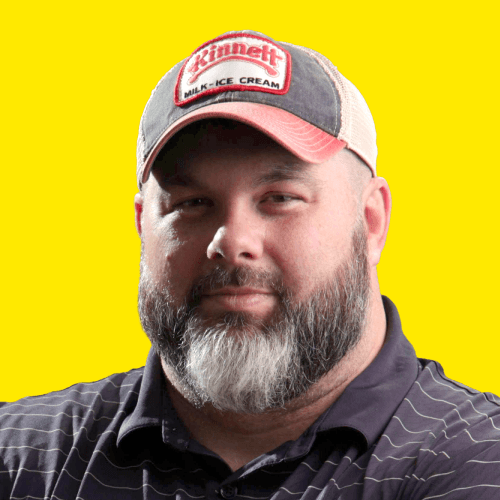
Building Eventrise required more than engineering. We brought in Max Lind to lead sales and marketing, someone we had been saying we needed for about a year. He has the industry relationships and credibility to open doors, and he helped bring coherence to the Eventrise story, connecting the real organizer frustrations behind the product to a clear message for the market. The whole team was involved: brand, marketing, engineering, and strategy. We continue to conduct user research and interviews with organizers as the platform grows.
Where things stand and what is next
Eventrise is live, with both organizer and attendee mobile apps available in the app stores. Creative South used Eventrise as a live case study in April 2026, the same event that motivated us to build it.
Because we are still early, we can move quickly. When a customer flags a problem or requests a feature, we can evaluate and ship a change within one to two weeks. We have a Slack channel open to early customers for exactly this reason. We recently launched seating charts, and we’re working on features like merchandise sales and lanyard printing.
The feedback from organizers on the platform has been consistent. They are relieved. The frustration with existing platforms is real, and people are ready for something built with their actual needs in mind.
The frustration with existing platforms is real, and people are ready for something built with their actual needs in mind.
That is what Eventrise is.